

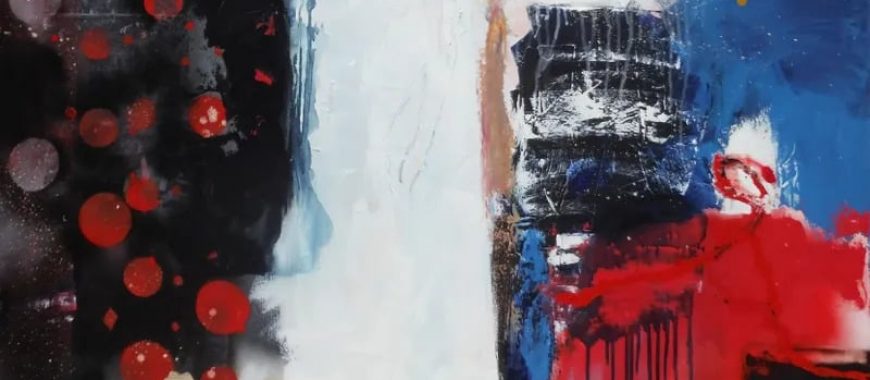
Many collectors and art lovers are drawn to the power of texture. It is a quality that naturally invites exploration, with its rugged surfaces, heavy impasto, and tactile depth. Original paintings often transcend the boundaries of a flat canvas, where thick layers of pigment rise from the surface and shadows fill the valleys created by a palette knife moving with the artist’s intent.
What makes these pieces so compelling is not only the visual impact but also the physical atmosphere. The artwork carries a distinct rhythm shaped by the direction of the strokes, the thickness of the medium, and the way light interacts with the raised edges throughout the day.
Artists approach texture in many ways. Some focus on the bold energy of abstract shapes, while others use layering to bring a sense of realism to natural forms. Together, these paintings show the many ways texture continues to inspire and transform a space.
The Dimension of Impasto
Textured works are defined by their relationship with light. Paint rests in heavy ridges, surfaces overlook the traditional flat plane, and deep grooves wind their way across the composition. These pieces feel lively yet grounded, shaped by the deliberate application of material that adds a sculptural quality to the wall.
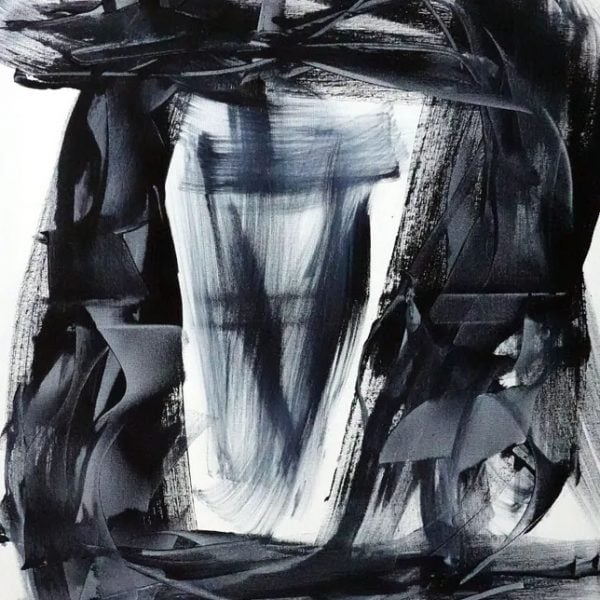
Irreconcilable Differences by Newel Hunter
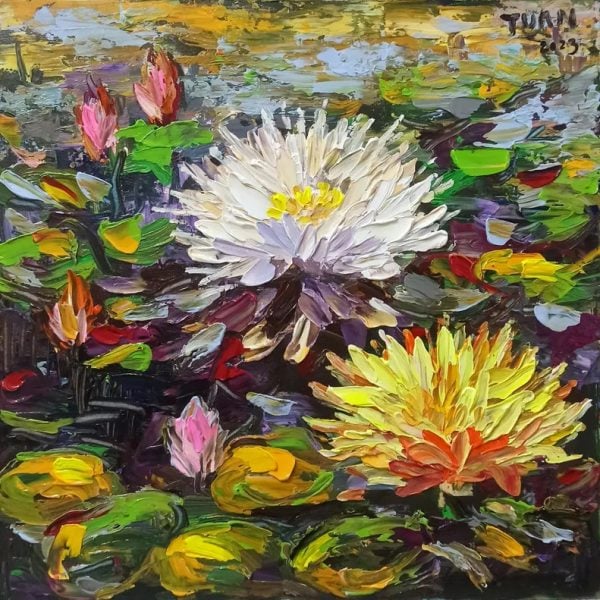
Morning on lilly Pond by Le Anh Tuan
Interpreting Through Surface
Not every artist approaches texture through literal representation. For some, the surface becomes a source of rhythm, weight, and movement rather than a specific object. Abstract compositions suggest the motion of energy, where layers of paint and physical ridges convey the feeling of the work without describing it literally.
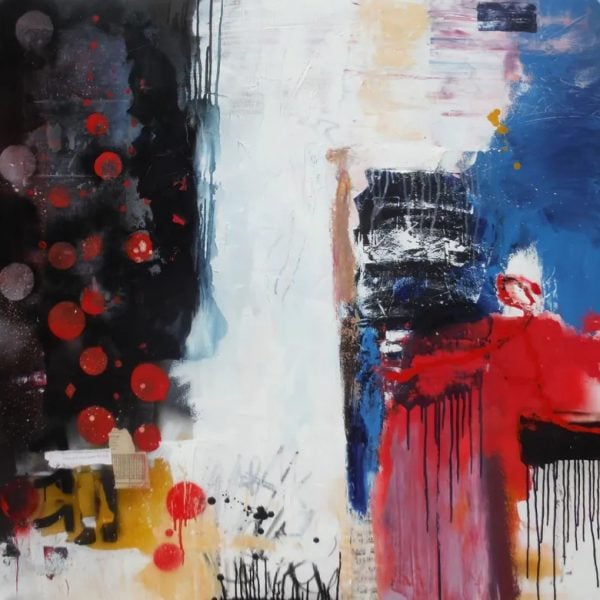
Numbers Station by Sarah Ernst
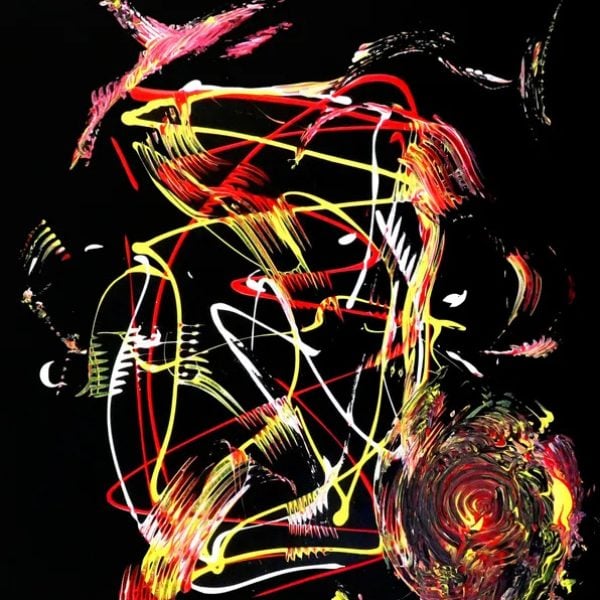
The Language of Layers
One of the most striking qualities of physical art is its depth. The surface reflects the environment in endless shades of shadow, while light bounces off ridges and peaks. Brushwork may suggest the shimmer of energy across the surface or the gentle rhythm of layers along the edge, making even minimal compositions feel alive.

Rainy Road by Alexandre Perebatov
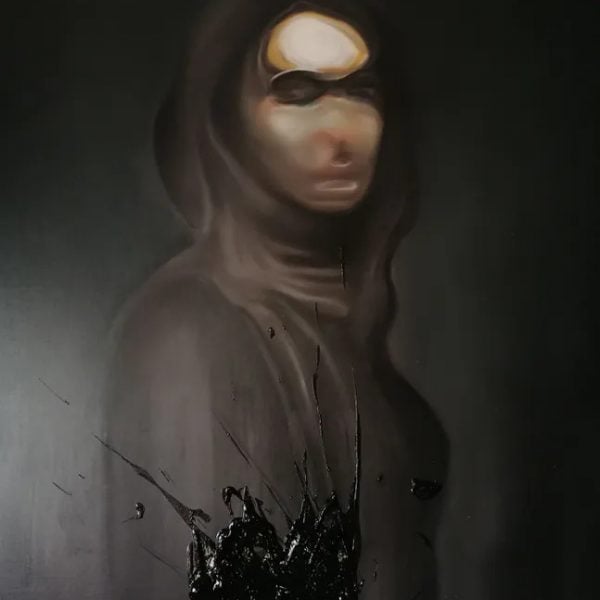
Tactile Connections in Art
Beyond the visual, textured art creates a sensory connection. There is an inherent desire to explore the ridges of a heavily worked canvas. This physical nature reminds us of the raw materials and the creative process, making the connection between the artist, the work, and the collector feel much more personal.
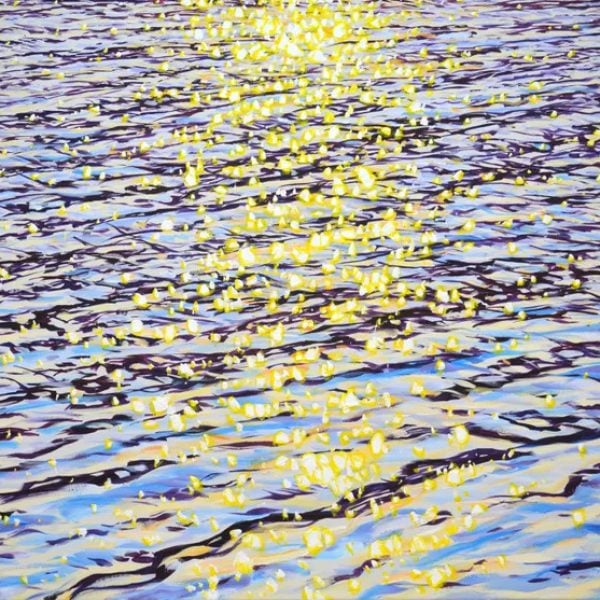
The mystery of sunshine. by Iryna Kastsova
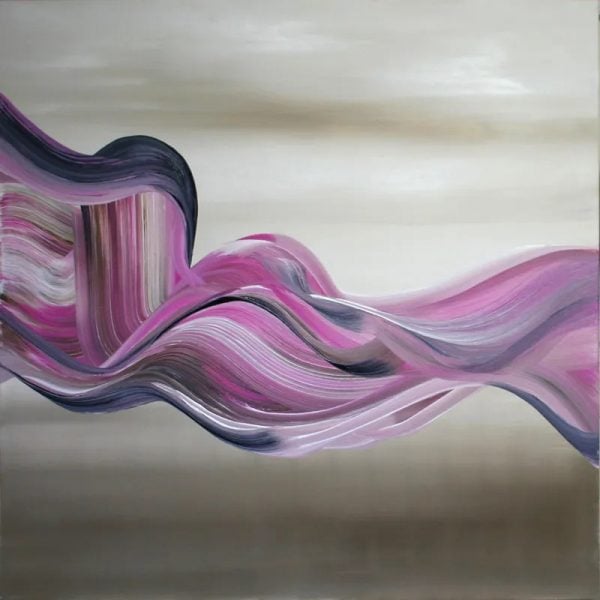
SALSA SAPPHIRE by Susan Wooler
Discover Original Textured Artwork on Zatista
Textured abstract art is a great way to add dimension and visual interest to any space. Whether you are looking for a bold statement piece for your living room or a subtle, tactile work for a bedroom, our collection of original paintings offers thousands of unique options.
Browse our online art gallery to find a piece of textured art that speaks to you!
Comments (0)